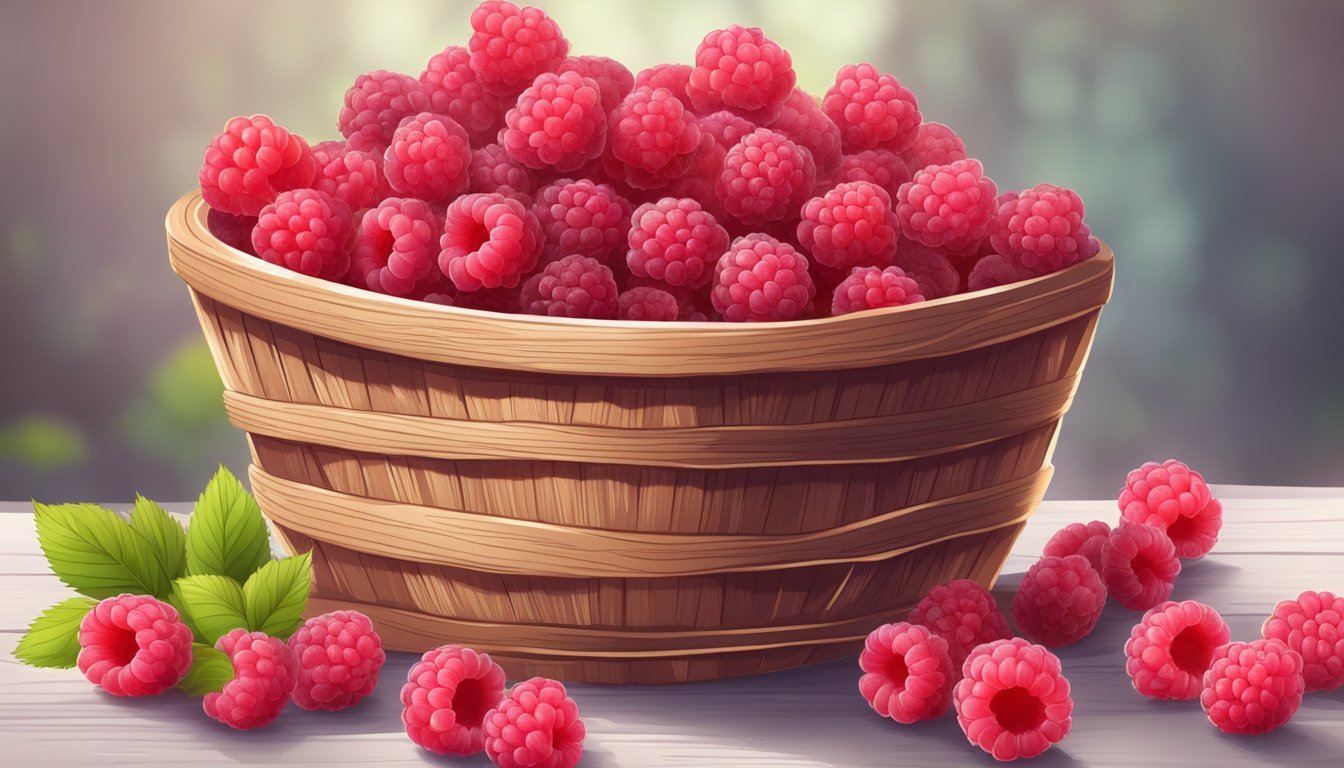
The Allure of 3-Ingredient Raspberry Jam: Simplicity Redefined
Imagine a world where creating exquisite, flavorful jam doesn't require an arsenal of exotic ingredients or hours slaving over a hot stove. Welcome to the world of 3-ingredient raspberry jam. This incredibly straightforward recipe, relying solely on raspberries, sugar, and a touch of lemon juice, redefines homemade goodness. It's a testament to the idea that some of the best culinary delights are born from simplicity. Whether you’re a seasoned home cook or a complete novice, this recipe promises a delightful outcome, turning simple fruit into a spreadable symphony of flavor.
The magic truly lies in its minimalist approach. There's no need for commercial pectin, a common additive in many jam recipes, which can sometimes be intimidating for beginners. Raspberries are naturally rich in pectin, especially when slightly underripe, and with the right balance of sugar and acidity, they beautifully set on their own. This makes the process less risky and more intuitive. Furthermore, the entire creation comes together in a single pot, minimizing cleanup and maximizing enjoyment. From combining the ingredients to achieving that perfect glossy consistency, the journey to a batch of homemade
raspberry jam is surprisingly swift, often taking less than an hour from start to finish. For more detailed insights into its effortless preparation, explore our guides on
Easy 3-Ingredient Raspberry Jam: Homemade & No Pectin and
One-Pot Raspberry Jam: 3 Simple Ingredients, No Pectin.
Fresh vs. Frozen: Debunking the Raspberry Jam Dilemma
One of the most frequent questions when embarking on a jam-making adventure is whether to use fresh or frozen fruit. For this 3-ingredient
raspberry jam recipe, the good news is that both options are perfectly viable, each offering its own unique set of advantages. Your choice often comes down to personal preference, availability, and seasonality.
Why Frozen Raspberries Often Win the Jam Game
- Cost-Effectiveness: Frozen raspberries are typically more budget-friendly than their fresh counterparts, especially outside of peak growing season. This makes homemade jam a more accessible luxury.
- Year-Round Availability: Frozen berries allow you to make fresh jam anytime, regardless of the season. They are usually picked and frozen at their peak ripeness, locking in their vibrant flavor and nutritional value.
- Convenience: Frozen raspberries come pre-washed and often require no additional preparation. Their icy nature also aids in the initial breakdown process during cooking, releasing their juices more readily than firm fresh berries. The ice crystals contribute extra moisture that helps kickstart the jam-making process without needing to add water.
- Consistent Quality: Because they're frozen at their prime, you can often rely on a consistent level of sweetness and tartness, reducing variability in your final jam.
The Charm of Fresh Raspberries
While frozen berries offer undeniable practicality, there's a certain romantic appeal to using fresh raspberries, especially if they're locally sourced or hand-picked.
- Peak Seasonal Flavor: If you're fortunate enough to access truly ripe, in-season fresh raspberries, their flavor can be exceptionally bright and intense.
- Direct Connection: Using fresh fruit offers a tangible connection to the produce, especially if you've picked them yourself or bought them from a local farmer's market.
The Verdict and a Key Tip
The excellent news is that both fresh and frozen raspberries yield a fantastic 3-ingredient
raspberry jam. However, there's a crucial adaptation if you opt for fresh berries. Frozen raspberries, as they thaw and cook, release a significant amount of liquid due to the breakdown of their cell walls and the melting ice crystals. Fresh raspberries, being firmer, hold their moisture more tightly initially. To compensate for this difference and ensure your jam reaches the perfect consistency, if you're using fresh raspberries, add 1-2 teaspoons of water to the pot at the beginning. This provides that initial liquid boost, helping the fresh fruit break down and release its natural juices more effectively.
The Magic Trio: Why These 3 Ingredients Work Wonders
The simplicity of this
raspberry jam recipe belies the intricate chemistry happening within your pot. Each of the three humble ingredients plays a vital role, working in synergy to create a perfectly set, deliciously balanced spread.
Raspberries: The Flavor Foundation and Natural Pectin Powerhouse
Beyond providing the star flavor and beautiful color, raspberries are the unsung heroes of this no-pectin jam. They naturally contain pectin, a soluble fiber that acts as a gelling agent. When heated with sugar and acid, pectin forms a gel network, giving the jam its characteristic set. Raspberries also contribute a complex sweet-tart profile and the appealing textural base of the jam, complete with those delightful little seeds.
Sugar: The Sweetener, Thickener, and Preserver
Sugar's role extends far beyond mere sweetness. It's a multi-tasker in jam making:
- Sweetness: It balances the tartness of the raspberries, creating a harmonious flavor.
- Thickening: As sugar dissolves and the mixture heats, it creates a syrup. This syrup increases the boiling point of the mixture, allowing the pectin to properly activate and form a gel. The sugar molecules also interact with water, helping to bind it and thicken the jam.
- Preservation: Sugar is a natural preservative. At high concentrations, it inhibits microbial growth by drawing moisture out of microorganisms through osmosis, extending the shelf life of your jam.
Lemon Juice: The Balancing Act and Setting Catalyst
Often overlooked, lemon juice is indispensable for achieving the perfect jam.
- Acidity and Brightness: It adds a crucial touch of acidity, balancing the sweetness of the sugar and brightening the overall raspberry flavor. Without it, the jam can taste cloyingly sweet and flat.
- Pectin Activation: Acidity is essential for pectin to properly gel. Pectin molecules carry a slight negative charge and repel each other. Lowering the pH with lemon juice neutralizes these charges, allowing the pectin molecules to bond and form the desired gel structure. This is why neglecting the lemon juice can result in a runny jam.
Step-by-Step: Crafting Your Perfect Raspberry Jam
Making this 3-ingredient
raspberry jam is wonderfully straightforward. Follow these steps to achieve a consistently delicious result:
- Combine Ingredients: In a small, heavy-bottomed pot, combine your chosen raspberries (fresh or frozen), granulated sugar, and fresh lemon juice. Remember, if using fresh raspberries, add 1-2 teaspoons of water at this stage.
- Gentle Start: Place the pot over medium-low heat. Stir occasionally as the raspberries begin to thaw (if frozen) and break down, releasing their vibrant juices. This slow start ensures even cooking and helps extract maximum flavor and pectin from the fruit.
- Bring to a Boil: Once the fruit has softened and released its juices, increase the heat slightly to bring the mixture to a rolling boil. Continue to stir to prevent sticking.
- Temperature is Key: This is the most crucial step for ensuring your jam sets. Once boiling, insert a food thermometer into the jam. Continue to cook, stirring frequently, until the mixture reaches precisely 220°F (104°C). This temperature indicates that enough water has evaporated and the sugar concentration is high enough for the pectin to properly gel as it cools.
- Cool Down: Immediately remove the jam from the heat once it hits 220°F. Carefully pour it into a clean, cool bowl. Don't be alarmed if it still looks quite runny; it will thicken significantly as it cools.
- Skim (Optional): If desired, gently skim off any foam that forms on the surface of the jam using a spoon. This step is purely for aesthetics, resulting in a clearer, smoother finish.
- Final Set & Storage: Allow the jam to cool completely at room temperature. Once cool, it will have reached its final, luscious consistency. Transfer your homemade raspberry jam to an airtight container and store it in the refrigerator. It will typically last for several weeks.
Pro Tips for Jam-Making Success
- Accurate Temperature Reading: For the most precise thermometer reading, especially in a smaller pot, tilt the pot slightly so that the jam pools to one side. This ensures the thermometer bulb is fully submerged in the jam, not touching the bottom of the pot.
- Don't Rush the Cook: Cooking until 220°F is non-negotiable for proper setting. If your jam seems too runny after cooling, it likely didn't reach this critical temperature. You can always return it to the pot and cook it a little longer.
- Sterilize Your Jars: While this recipe is for smaller batches often stored in the fridge, if you plan to make a larger quantity or want to store it longer, sterilize your jars and lids beforehand. This typically involves washing them thoroughly, then submerging them in boiling water for 10 minutes or heating them in an oven.
- Embrace the Seeds: Raspberry jam is known for its tiny, delightful seeds. If you prefer a completely seedless jam, you can press the cooked jam through a fine-mesh sieve before the final cooling stage, though this will add an extra step.
- Serving Suggestions: This versatile raspberry jam is perfect on sourdough toast, crumpets, or scones with afternoon tea. It also makes a fantastic filling for thumbprint cookies, layered cakes, pastries, or swirled into yogurt and oatmeal.
Conclusion
Creating your own 3-ingredient
raspberry jam is an incredibly rewarding culinary experience. It’s a recipe that champions simplicity, proving that minimal ingredients can yield maximum flavor and satisfaction. Whether you lean towards the convenience and year-round availability of frozen raspberries or prefer the seasonal charm of fresh, this guide provides all the insights you need to whip up a batch of glorious homemade jam. With its perfect balance of sweet and tart, and a texture that's both spreadable and satisfying, you’ll find yourself reaching for this jar of ruby-red goodness again and again. So, gather your three ingredients, grab a pot, and prepare to elevate your breakfast, desserts, and afternoon snacks with this irresistible, easy-to-make raspberry jam.